10 hr
Central Bosnia Heritage Tour: Jajce, Travnik & Pliva Watermills
Journey through medieval fortresses, cascading waterfalls, and Ottoman landmarks on this full-day Central Bosnia exploration
Reserve
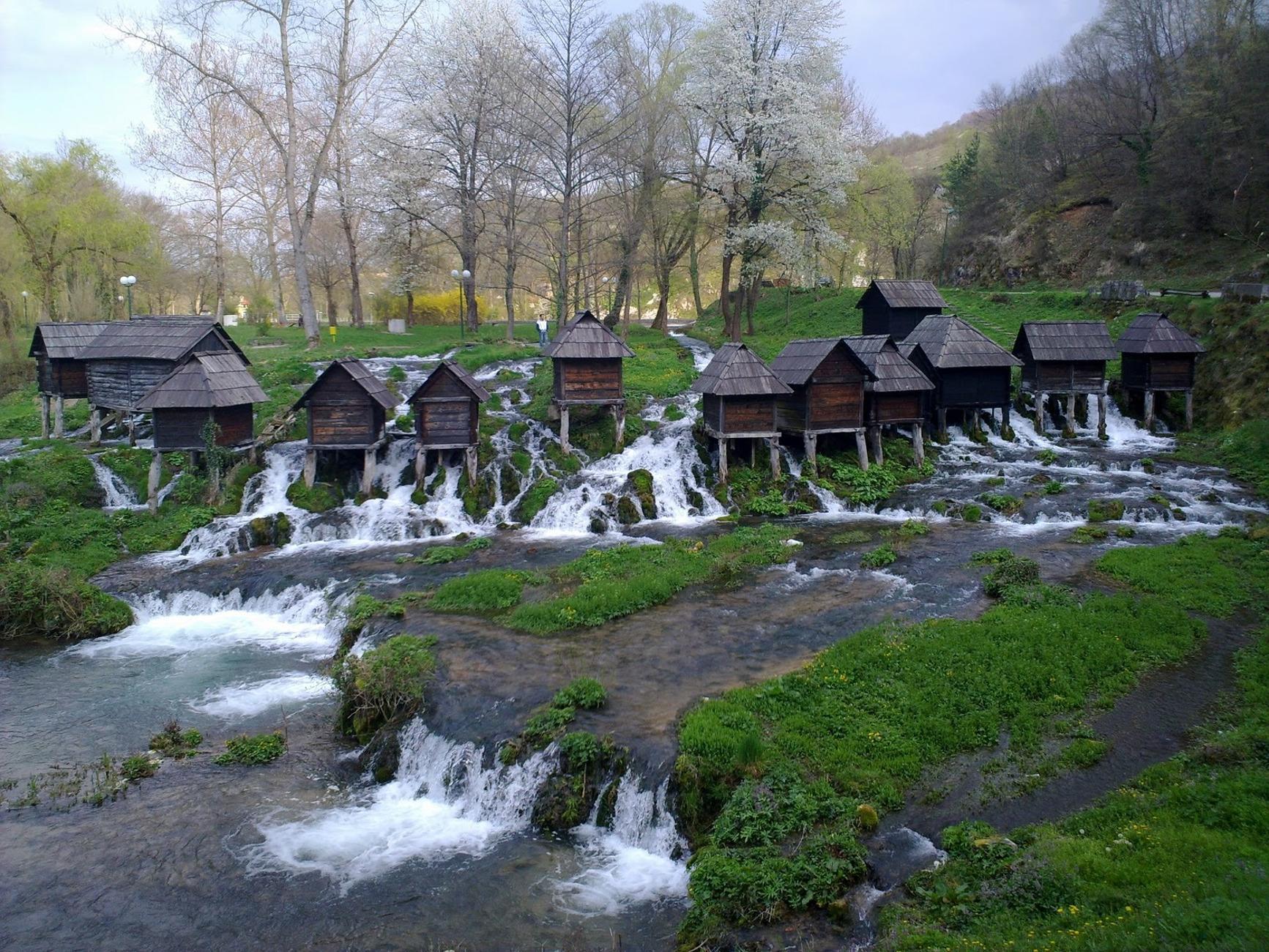
Medieval fortresses meet cascading falls, two hours north
Hand-picked by our editors — only the best 5 day tours from 18 reviewed.
Verified partners for every tour, free cancellation where available, and instant confirmation on every booking.
10 hr
Journey through medieval fortresses, cascading waterfalls, and Ottoman landmarks on this full-day Central Bosnia exploration
Reserve
12 hr
Discover Bosnia's royal heritage and natural wonders on a full-day small-group tour with drone footage
Reserve
10 hr
Discover Bosnia's royal past and natural wonders on a journey through historic towns and cascading waters
ReservePrices from verified partners. Availability updates in real time at checkout. Free cancellation policies apply where shown.
The landmarks, rooms, and views travelers on this tour remember — all visible on a single visit.
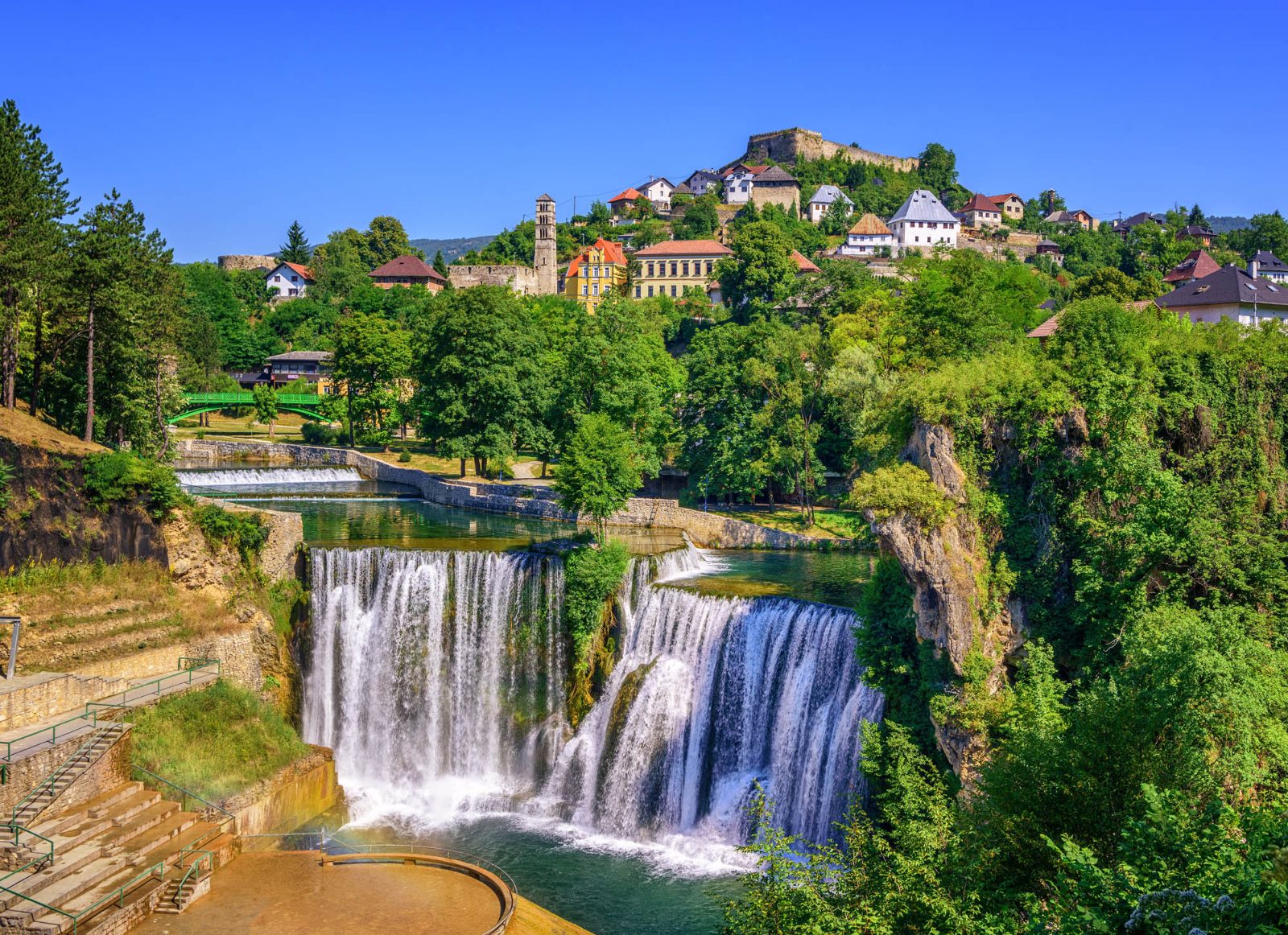
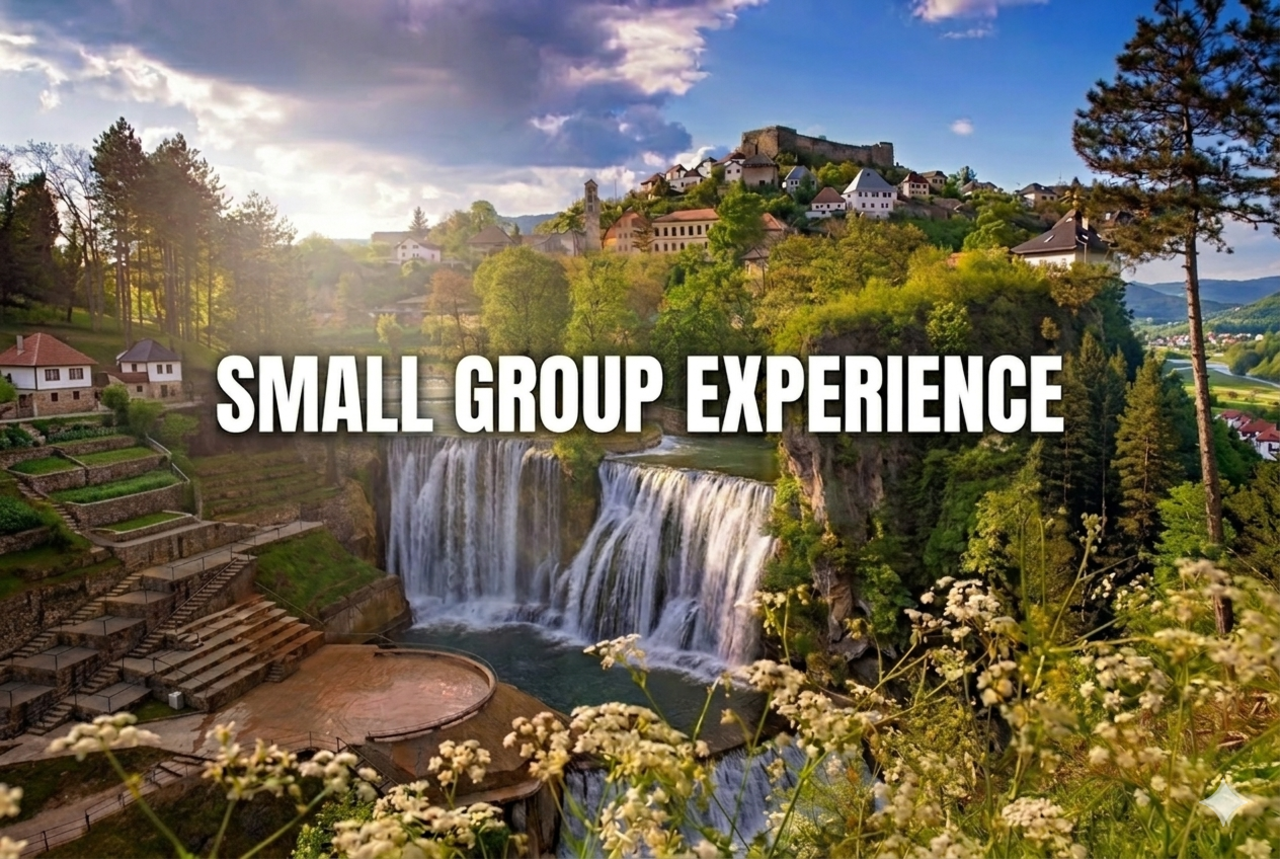
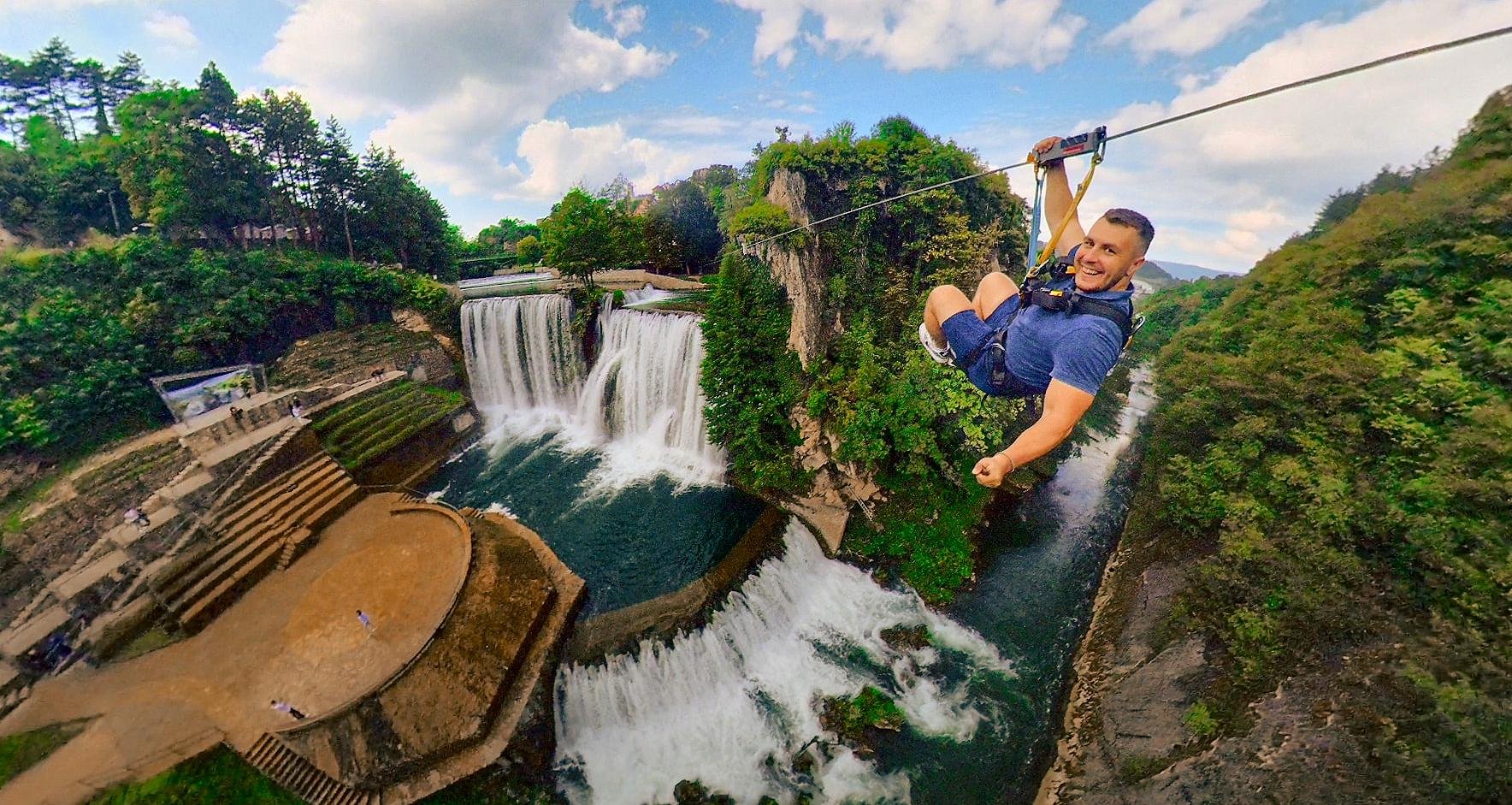
The 17-meter cascade is a unique urban waterfall where the Pliva River meets the Vrbas, often ranked among the world's most beautiful.
They complement each other, but most visitors find that a Jajce tour from sarajevo tours provide a more tranquil escape into nature, while Mostar offers a deeper dive into Mediterranean-influenced urban heritage. Choosing between a Jajce tour from sarajevo and a southern excursion depends on whether you prefer cascading waterfalls or iconic stone bridges.
| Feature | Top pick Jajce Day Trip | Mostar Day Trip |
|---|---|---|
Primary Focus |
Nature and Waterfalls | |
Terrain |
Hilly and Forested | |
Key Landmark |
Pliva Waterfall | |
Travel Time from Sarajevo |
2.5–3 hours | |
Best Season |
May to September | |
Vibe |
Tranquil and Rural | |
| See tickets → |
Verdict: Select your jajce tour from sarajevo tickets if you prioritize dramatic river scenery, whereas Mostar is the superior choice for those drawn to Ottoman architecture and bustling bazaar atmosphere.
Choose your ticket, select your date, and reserve in under two minutes. Secure checkout handled by our verified partner.
Instant confirmation by email, with a mobile voucher you can save offline. No printing, no queuing at a collection desk.
Arrive at the entrance, show your voucher on your phone, and walk in. Most tickets include priority or skip-the-line access.
Best time to go, insider tips, nearby landmarks, and the cancellation fine print — flip through to skim what matters to you.
How crowds, weather, and events shift across the year.
May offers lush greenery and full water levels, making it ideal for a jajce tour from sarajevo photography.
Small details that turn a good visit into a great one.
Visit the main waterfall between 09:00 and 11:00 to avoid the midday heat and the arrival of larger bus groups on your jajce tour from sarajevo.
Non-bookable sights within a short walk — free to visit, easy to pair.
A medieval citadel offering commanding views over the valley and the royal town.
An atmospheric underground burial chamber carved into the rock.
A well-preserved Roman-era temple featuring intricate stone carvings of the cult god.
Flexible, no hidden fees.
Full refunds are typically available for any booked jajce tour from sarajevo up to 24 hours before the scheduled departure time. Please check your specific operator's terms for details regarding the inclusion of the 8 BAM entrance fee.
Hand-picked options within walking distance — pick a district for vibe, or a specific hotel for convenience.
Stay in the heart of the historic district near the main landmarks.
Enjoy tranquil lakefront views outside the main town center.
In 1463, the last Bosnian king was crowned in Jajce, and within months the fortress fell to Ottoman forces, closing a chapter of medieval sovereignty. The town sits at the confluence of the Pliva and Vrbas rivers, where a twenty-one-metre waterfall crashes into the Vrbas channel directly beneath the old town ramparts — a geographical oddity that made Jajce both defensible and hydraulically vital. The cataract powered grain mills for five centuries, and the stone watermills along Pliva Lake remain intact today, their wooden paddle wheels still turning in the current. Jajce's strategic position at the frontier between Catholic and Ottoman Bosnia left a dense archaeological record. The Mithraeum — a subterranean temple to the Roman sun god — lies beneath the citadel, one of fewer than twenty intact mithraea in the Balkans. The catacombs, hewn from limestone in the fourteenth century, house the remains of local nobility, their vaulted ceilings marked by heraldic motifs and Cyrillic inscriptions. Above ground, the Bell Tower of Saint Luke stands as the only Gothic belfry in Bosnia, its octagonal form influenced by Dalmatian coastal architecture. The fortifications themselves are a palimpsest: Roman foundations, medieval curtain walls, and Ottoman refurbishments layered across eleven centuries. Central Bosnia heritage tours from Sarajevo pair Jajce with Travnik, the Ottoman provincial capital thirty kilometres east. The two-hour drive follows the Bosna River valley through forested karst terrain. Most itineraries allocate three to four hours in Jajce, sufficient for the fortress walk, waterfall viewpoint, and a circuit of the Pliva Lakes. The watermills — wooden A-frame structures with shingle roofs — cluster along the lake's western shore, connected by a boardwalk that traces the original millrace channels. Several have been converted to cafes, but their grinding mechanisms remain visible through glass floor panels. Jajce's inscription on the UNESCO tentative list in 2006 recognised both its natural amphitheatre setting and its role as a Second World War political landmark: the Anti-Fascist Council convened here in 1943 to establish the federal structure of post-war Yugoslavia. The assembly hall, preserved in socialist-era condition, occupies a Habsburg-era school building near the waterfall. Visitor numbers remain modest outside summer months — fewer than fifty thousand annually — and the town's compact old quarter, enclosed by intact medieval walls, retains a working-community atmosphere absent from more commercialised heritage sites.
"The last Bosnian king was crowned here in 1463, and within months the fortress fell to Ottoman forces."
Yes, many operators offer private transit for your jajce tour from sarajevo, allowing for a flexible itinerary.
Yes, local restaurants specialize in river trout and traditional Bosnian dishes suitable for most visitors.
The drive typically takes 2.5 hours each way from Sarajevo.
Yes, the catacombs are a highlight often included in a comprehensive jajce tour from sarajevo visit.