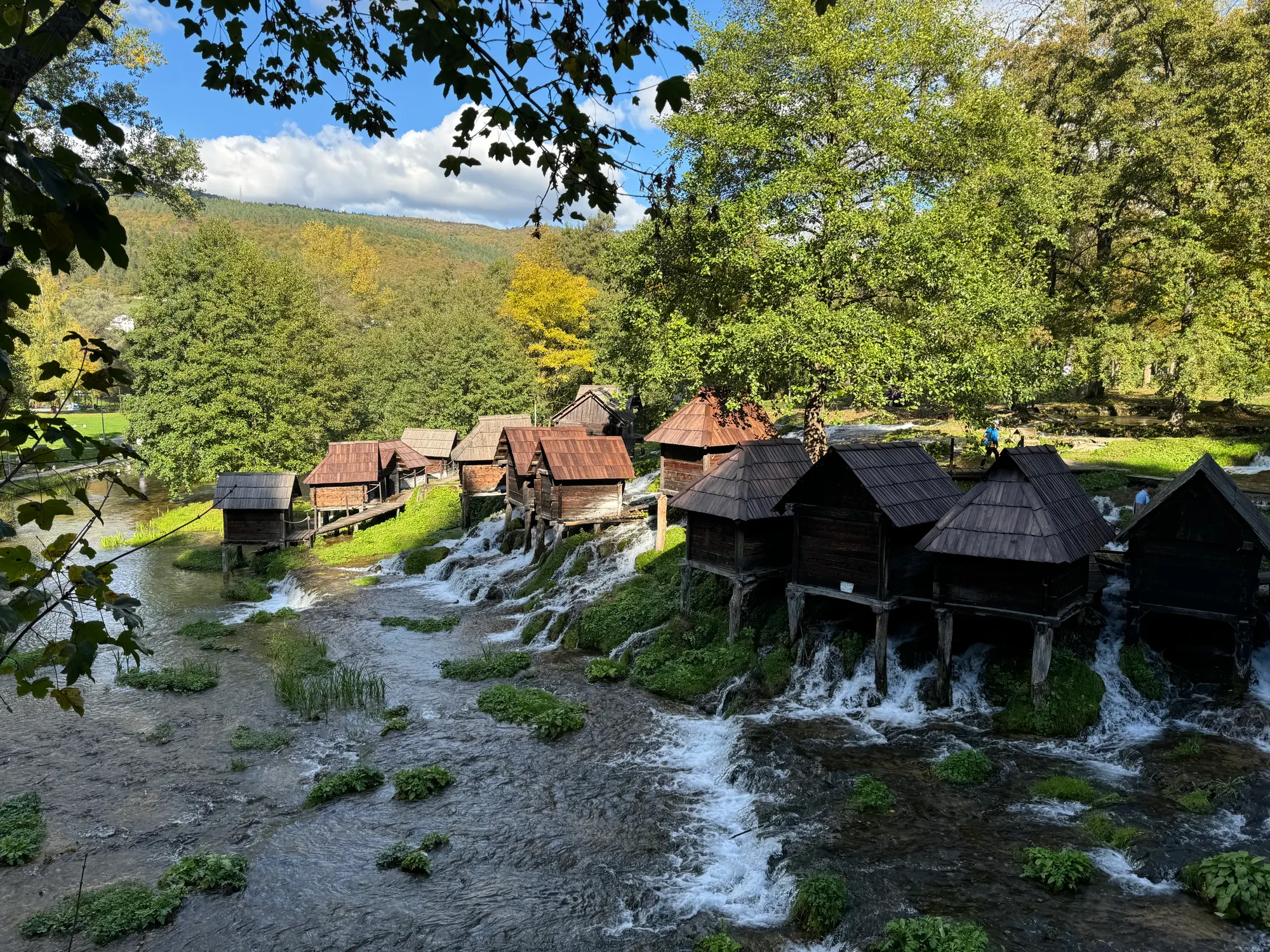
Pliva Lakes
5 min drive
Located just outside the town, these lakes provide a calm environment and the famous small watermills. They are ideal for a short walk after viewing the main waterfall.
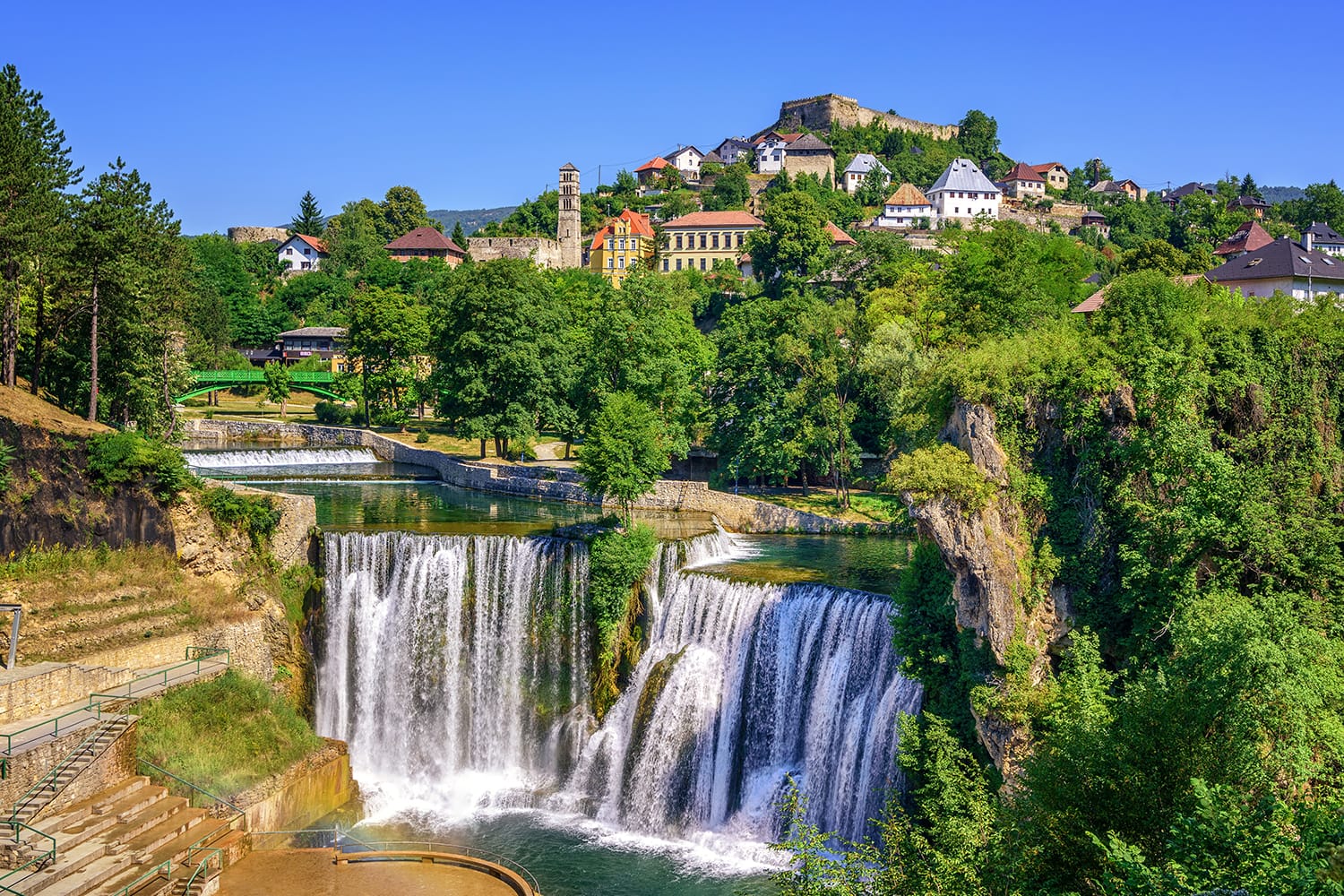
Jajce sits in central Bosnia, a fortified medieval town where a river plunges through its center. Travelers leaving Sarajevo want to know the distance, the drive time, and whether the route is straightforward. This guide answers all three with verified figures and practical routing advice.
Quick answer
The distance from Sarajevo to Jajce is 170 kilometers by road, typically covered in two and a half to three hours depending on traffic and route choice. Most visitors drive via the M5 highway through Travnik, though a northern route via Zenica adds fifteen minutes but avoids mountain passes in winter. Bus services run daily and take roughly three hours, making Jajce a manageable day trip from the capital.
The M5 highway carries nearly all traffic between Sarajevo and Jajce, threading west through the Lašva Valley before climbing into the Vlašić plateau. The route passes Travnik at the halfway mark, where Ottoman-era fortifications rise above the Lašva River. From Travnik the road narrows slightly, winding through forested slopes before descending into Jajce's river basin. The entire drive covers 170 kilometers, most of it on well-maintained asphalt with periodic passing zones. Departing Sarajevo before eight in the morning puts you in Jajce by mid-morning, when the Pliva waterfall viewing platform is quietest and the light slants favorably for photography. The M5 carries commercial traffic throughout the day, so weekday mornings see slower movement through Travnik's central junction. Weekend traffic thins considerably outside of summer holiday periods. The Sarajevo to Jajce distance makes the town accessible for a single-day itinerary if you leave early and plan no more than three hours at the site itself. Visitors typically allocate one hour for the waterfall and old town, another for lunch near the lakes, and a third for the walk along the Pliva mills. Returning to Sarajevo in late afternoon avoids evening congestion near the capital. Bus services depart from Sarajevo's main terminal twice daily in the morning, operated by regional carriers that also serve Travnik and Mrkonjić Grad. The journey takes three hours with one scheduled stop. Tickets are purchased at the terminal or directly from the driver; advance booking is unnecessary except during the Eid and New Year holiday windows. Buses return from Jajce in the early afternoon and evening, allowing roughly four hours in town for passengers without private transport. The northern alternative via Zenica and Donji Vakuf adds ten kilometers and fifteen minutes but avoids the Vlašić ascent, a consideration during winter months when the M5 summit occasionally requires chains. The trade-off is a longer stretch through industrial outskirts near Zenica. Most travelers favor the Travnik route for its directness and the opportunity to stop at Travnik's fortress or the Plava Voda spring, both visible from the highway. Jajce's compact layout and pedestrian-friendly old quarter reward visitors who arrive with enough daylight to walk the circuit from the waterfall viewing platform to the hilltop citadel. The town's elevation sits 400 meters below Sarajevo, making the climate noticeably warmer in summer and milder in early spring.
“The M5 highway threads through the Lašva Valley, delivering travelers from Sarajevo to Jajce's fortified heights in under three hours.”
Jajce is located approximately 150 kilometers northwest of Sarajevo. The most direct approach involves traveling through the central mountainous regions of Bosnia and Herzegovina.
Follow E73/M17 north to Zenica, then take M5 toward Jajce
Depart from Sarajevo Main Bus Station (Autobuska stanica) toward Jajce
If driving, public parking is available near the town center, providing convenient pedestrian access to the main attractions.
The best arrival window for visiting the waterfall is 09:00–11:00. Arriving during this period helps avoid crowds and provides softer morning light for photography.
Mild, 10°C to 18°C
The landscape is green and the water volume is high. These months avoid the peak summer tourism surge.
Warm, 20°C to 28°C
Expect the largest crowds during these months. Mid-week visits are preferable to weekends.
Cool, 8°C to 16°C
The foliage around the waterfall changes color during this period. Visitor numbers decrease significantly compared to summer.
—
Arriving at 09:00 ensures minimal congestion at the viewing platform. This timing allows for a quiet experience before daily traffic increases.
Verdict: For the most consistent experience, plan your visit for a Tuesday through Thursday morning in April or October, aiming to arrive at 09:00.
The Plivski vodopad viewing platform operates on a consistent daily schedule throughout the week. Visitors can access the area during these set hours to observe the waterfall.
Extending your visit to Jajce allows you to explore significant historical and natural landmarks located in the immediate vicinity. These sites complement the town's central waterfall area and offer a deeper look into the region's heritage.
5 min drive
Located just outside the town, these lakes provide a calm environment and the famous small watermills. They are ideal for a short walk after viewing the main waterfall.
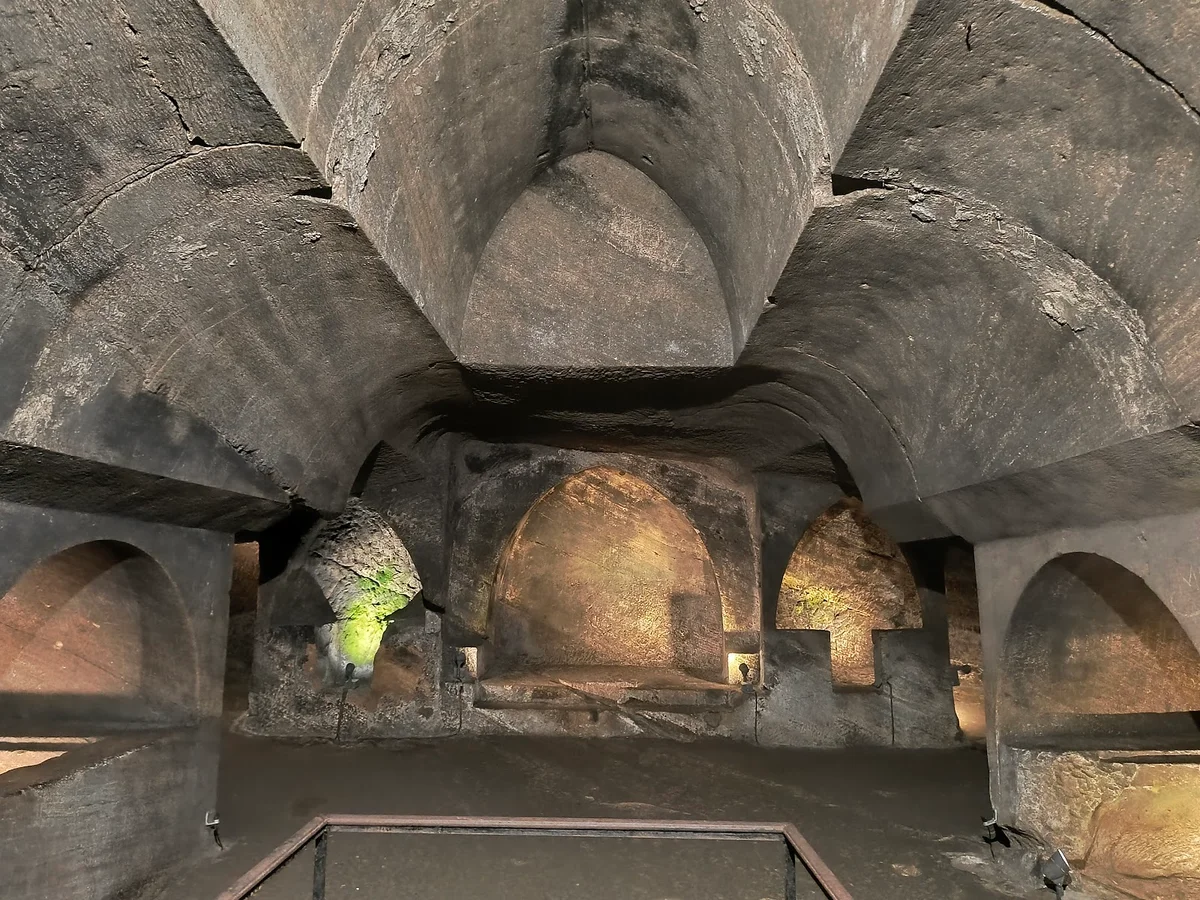
5 min walk
This underground church carved into the rock face provides historical context to the medieval development of the town. It is situated within the old town walls, making it easy to combine with other central visits.
60 min drive
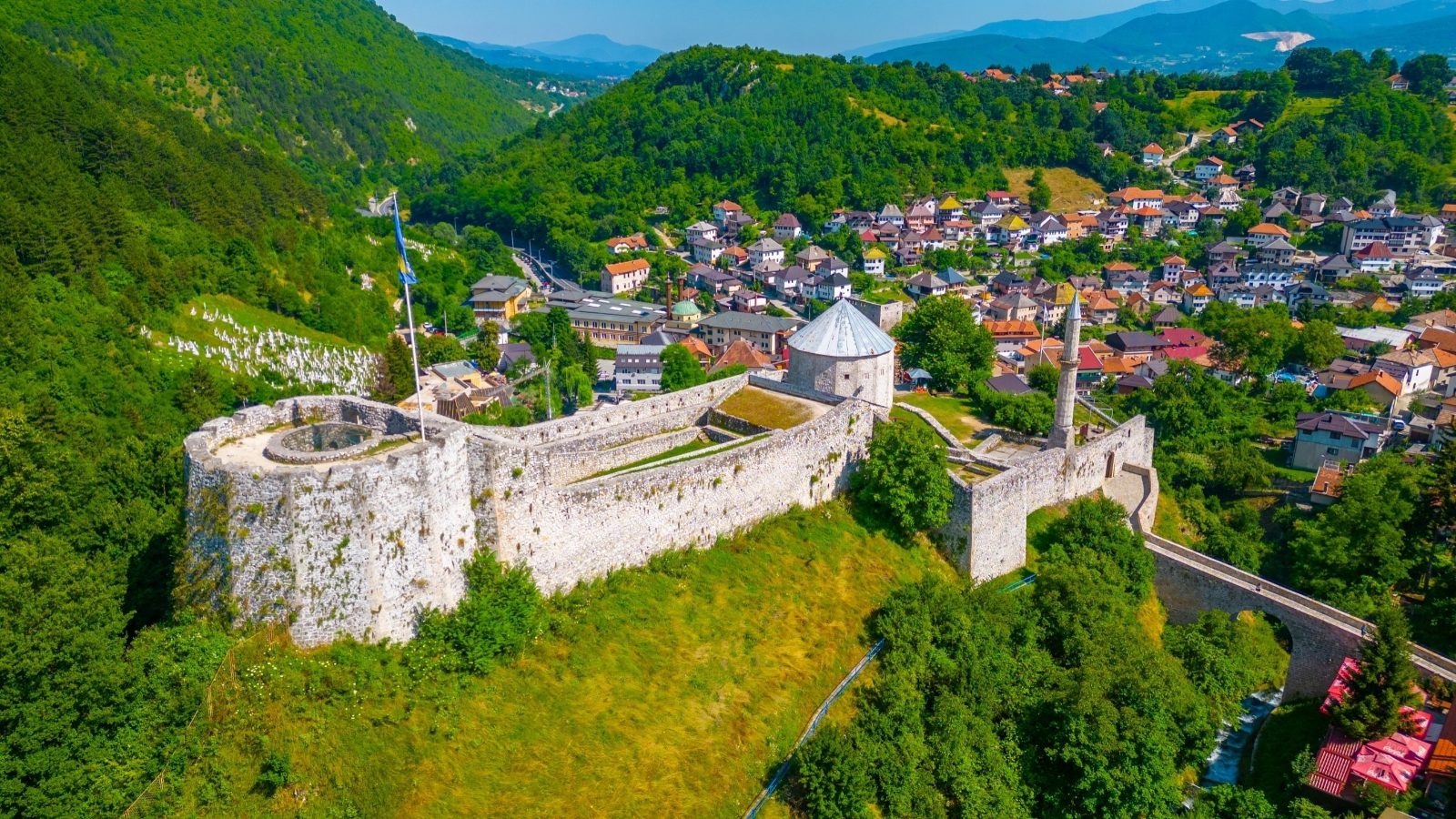
On the return route toward Sarajevo, this town features a historic fortress and traditional Ottoman architecture. It serves as a practical stop to break up the travel time between Jajce and Sarajevo.
Everything you need to know about sarajevo jajce distance
The road distance between these two Bosnian locations is approximately 135 to 150 kilometers, depending on your specific route through the mountains. Travelers often find the sarajevo jajce distance manageable for a full day of exploration in central Bosnia.
Driving typically takes between 2.5 and 3 hours, while bus journeys can take around 3 hours and 35 minutes. These travel times are subject to road conditions along the scenic mountain corridors.
Yes, the distance is perfectly suited for a day trip, allowing enough time to explore the historic town, the fortress, and the natural sights. Many visitors incorporate a stop in Travnik to break up the journey and experience more local landmarks.
Direct bus services operate daily from the main Sarajevo bus station, providing a reliable public transport link across the sarajevo jajce distance. Private transfers and rental cars are also popular choices for those seeking a more flexible schedule.
To ensure the best experience, we recommend arriving between 09:00 and 11:00. This window helps you avoid the largest crowds and provides ideal morning light for photography at this famous landmark.
Yes, there is a conservation fee of 10 BAM per person to access the waterfall viewing platform. This small contribution supports the ongoing maintenance of this iconic natural site.